
I recently met a Disciples of Christ pastor, Rev. AC Churchill, who was working for a ministry out in the Pacific Northwest called Earth Ministry/Washington Interfaith Power and Light. I asked them what they were working on with the organization, and they started telling me all about dam removal.1
The Pacific Northwest has scattered dams along its rivers for a variety of reasons, including agriculture, flooding prevention, and hydroelectricity. The dams provide a fair amount of utility but they have had an unexpectedly devastating effect on the environment, because of one species: Salmon.
The salmon (five different species in total) evolved to travel up the rivers every year to breed and lay eggs, before swimming back out into the pacific ocean. With the dams in place, the salmon can’t get to their breeding grounds, and they will not breed anywhere else. While some dams have mitigated this with fish ladders and some salmon (particularly Chinook) have developed the ability to get around the dams, its still been a major source of stress to the salmon population.
That stress matters to a lot more than the salmon. The salmon are a keystone species for the areas surrounding these rivers. They provide the necessary plentiful fats for bears, so that they can put on the weight they need for hibernation. The salmon that are caught by smaller mammals and have their carcasses left in the woods decompose and provide valuable nutrients to the soil (trees in PNW have been found to have trace salmon DNA from thousands of years of this fertilization). The salmon, and the by-products of them (skins, oils, etc) are critical to the indigenous communities that are native to the area. When the salmon populations began to collapse across the region, it had incredible ripple effects across the ecosystem.
For decades, there was a lot of discussion in well-meaning meeting rooms about reintroducing the salmon, breeding salmon and putting them in the rivers, creating more protections for the salmon, etc. But, in the past few years there has been a renewed effort to follow the lead of tribal peoples in environmental spaces, so when Earth ministry (and other tribal-led non-profits and advocacy groups) presented their plans to local indigenous leaders, they said something much more simple: just remove the dams. You don’t have to reintroduce the salmon, you don’t have to stock them or protect them or build special environments for them; remove the dams and the salmon will come back.
In August of 2024, the largest dam removal project in U.S. history, removing a massive series of dams along the Klamath River, was completed. Some of these dams had been in place since 1912. These dams, far predating an interest in salmon preservation, didn’t have any of the fish ladders or other mitigation measures found in modern dams, so the rivers they blocked had not had any salmon swim in them for over 100 years.
Here’s the official report from the Oregon department of Fish and Wildlife of what happened next:
On October 16, (2024) a fall-run Chinook salmon was identified by ODFW’s fish biologists in a tributary to the Klamath River above the former J.C. Boyle Dam, becoming the first (salmon) to return to the Klamath Basin in Oregon since 1912 when the first of four hydroelectric dams was constructed, blocking migration.
The salmon and others likely traveled about 230 miles from the Pacific Ocean to reach the tributary only months after four Klamath River dams were removed to ensure fish passage from California to Oregon.2
That dam had been there for 112 years, and the salmon came back after three months. In Rev. Churchill’s words to me, “It was in their genes, we never had to reintroduce them, they knew in their bodies where they needed to go.” It didn’t matter how many dozens of generations of salmon had passed, as soon as the dam was gone, they headed straight up the river.
For reasons not entirely clear to me, I teared up reading about those tribal leaders, watching the first salmon return. I teared up telling my husband about it. Even now, my throat gets tight.
I thought about the Hatching Faith Cohorts project I have been working on with the Virginia Conference of the United Methodist Church (I’ve written about it here before). How we are working with congregations to conduct a series of experiments in their corporate worship offerings to more meaningfully engage children in worship.
I thought about what our resident academic, Dr. Dave Csinos, said about children having a relationship with God wholly unmitigated by their parents and their pastors, how we don’t have to teach faith or pass down God, because God is already at work at them. In those conversations I talked about getting out of the way for God to reach God’s kids.
Now I know what we’re talking about is removing the dams. Kids don’t need to be introduced to God, to be reintroduced to God, to be spoon-fed, and kept in a perfect environment to encounter the sacred, we just need to remove the dams, and they will find their way straight upstream. They know in their bodies where they need to go, and it doesn’t matter how many generations may not have been able to swim the river, or swim it without significant stress, if we remove the barriers, they will find their way home.
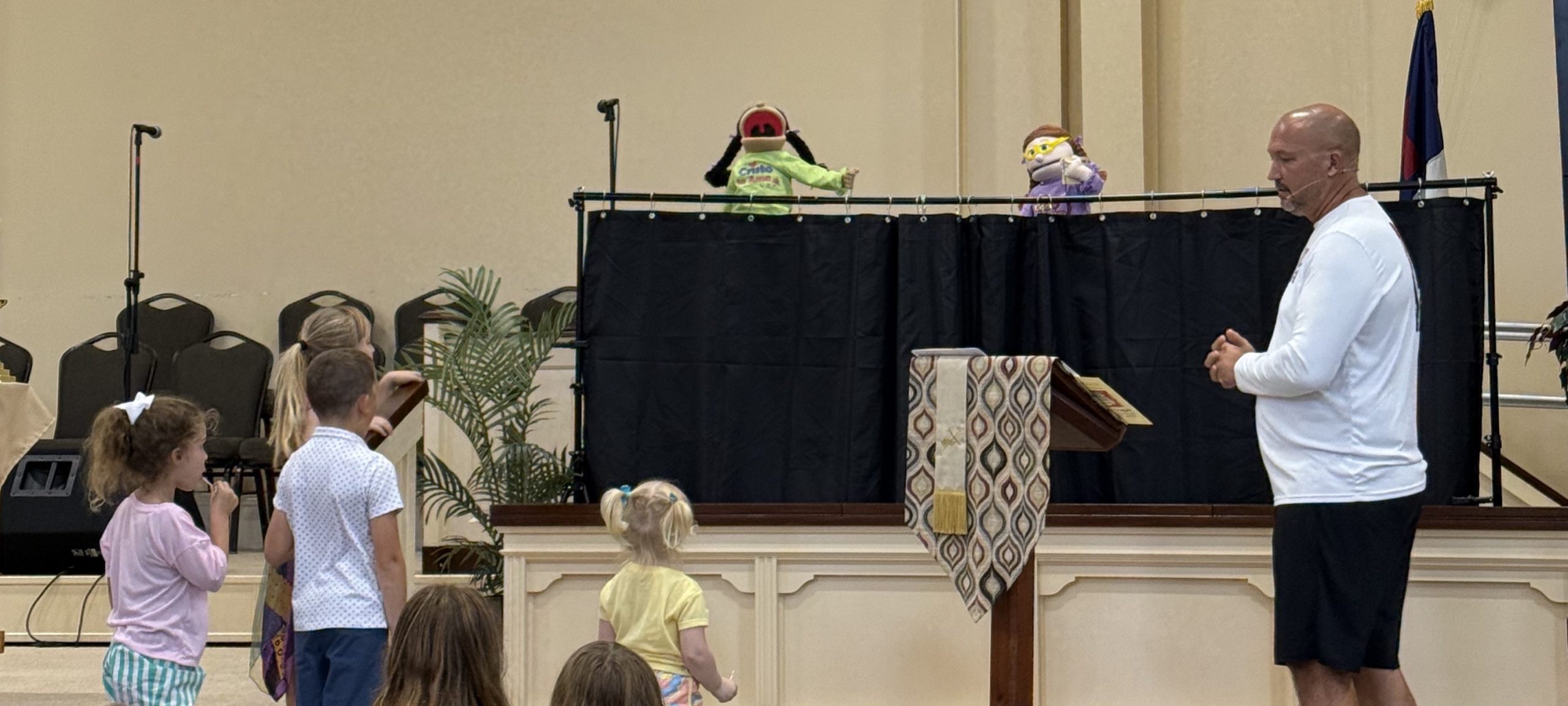
The first experiments have begun in these churches, and as the team has conducted visits, photos of young children walking right up to the pastor (explaining scripture to a puppet) to look closer, or standing on a chair to see the dance moves, have flooded our group chats and emails. I think of the salmon, how much faster and stronger their desire for home was than our will to remove the dams for them. How it took decades for the dams to be removed and only months for the salmon to come back.
We are six months into a five year project of dam removal, happening not just in Virginia, but all across the country through the 90 projects funded through the Lilly Endowment’s Nurturing Children and Worship Initiative. And I am sure I will have a lot more tears to shed to see these little salmons swim home than I did for any of the Chinooks.
- Earth Ministry/WAIPL has unfortunately just announced its dissolution, but there articles (and the results of their work) are still visible on their website (and in their community). ↩︎
- Report from the California Trout organization . ↩︎









0 Comments